Fashion Photography: Editorials, Campaigns, Lookbooks and E-Commerce
Fashion photography sits where clothing, identity, image-making and commerce meet. It can introduce a collection, sell a garment, establish a designer’s visual identity, build a narrative for a publication or shape how an artist is perceived.
At its most basic, fashion photography is the deliberate creation of images in which clothing, accessories, beauty and styling help communicate a product, person or visual idea. But a photograph does not become fashion photography simply because someone is wearing interesting clothes. The wardrobe must perform a meaningful role within the image.
In an e-commerce photograph, that role may be practical: showing the garment’s construction, fit and color clearly. In an advertising campaign, the clothing becomes part of a larger brand world. Within an editorial, fashion can establish character, atmosphere, cultural context or narrative tension.
The strongest work finds the appropriate relationship between the garment, the person wearing it and the purpose the finished photograph needs to serve.
The Relationship Between Fashion, Photography and Commerce
Fashion photography has always operated between artistic expression and commercial communication.
The Victoria and Albert Museum traces its development from nineteenth-century society portraiture through the emergence of modern fashion imagery in magazines. The Getty describes the genre as imagery created for consumption through publications and advertising, continually responding to changes in style, culture and society.
That tension remains central today. A fashion photograph may be expressive, provocative or visually experimental, but it is frequently connected to a practical objective: presenting a collection, selling a product, supporting a publication, launching a campaign or establishing a recognizable identity.
Art and commerce are therefore not opposing forces within fashion photography. The creative challenge is making an image distinctive enough to attract attention while keeping it useful for the designer, publication, artist or brand that commissioned it.
Fashion photography has always operated between artistic expression and commercial communication.
The Victoria and Albert Museum traces its development from nineteenth-century society portraiture through the emergence of modern fashion imagery in magazines. The Getty describes the genre as imagery created for consumption through publications and advertising, continually responding to changes in style, culture and society.
That tension remains central today. A fashion photograph may be expressive, provocative or visually experimental, but it is frequently connected to a practical objective: presenting a collection, selling a product, supporting a publication, launching a campaign or establishing a recognizable identity.
Art and commerce are therefore not opposing forces within fashion photography. The creative challenge is making an image distinctive enough to attract attention while keeping it useful for the designer, publication, artist or brand that commissioned it.
Different assignments solve that problem in different ways.
Editorial Fashion Photography
Editorial fashion photography is built around a story, concept or point of view. It traditionally appears within magazines and publications, although the same approach now extends to digital editorials, designer features, artist profiles and independent fashion stories.
An editorial is normally constructed as a sequence rather than a single advertisement. The complete edit may move between:
An opening hero photograph
Full-length fashion images
Environmental portraits
Closer beauty photographs
Movement
Wardrobe or accessory details
Transitional frames
A conclusive final image
Every photograph should contribute something different while remaining part of the same visual world. Repeating a strong pose eight times does not create a strong editorial. Range comes from changes in scale, gesture, expression, wardrobe, environment and emotional intensity.
The clothing remains important, but an editorial can allow greater ambiguity than e-commerce or a conventional lookbook. The objective may be to create desire, atmosphere or cultural meaning rather than explain every garment literally.
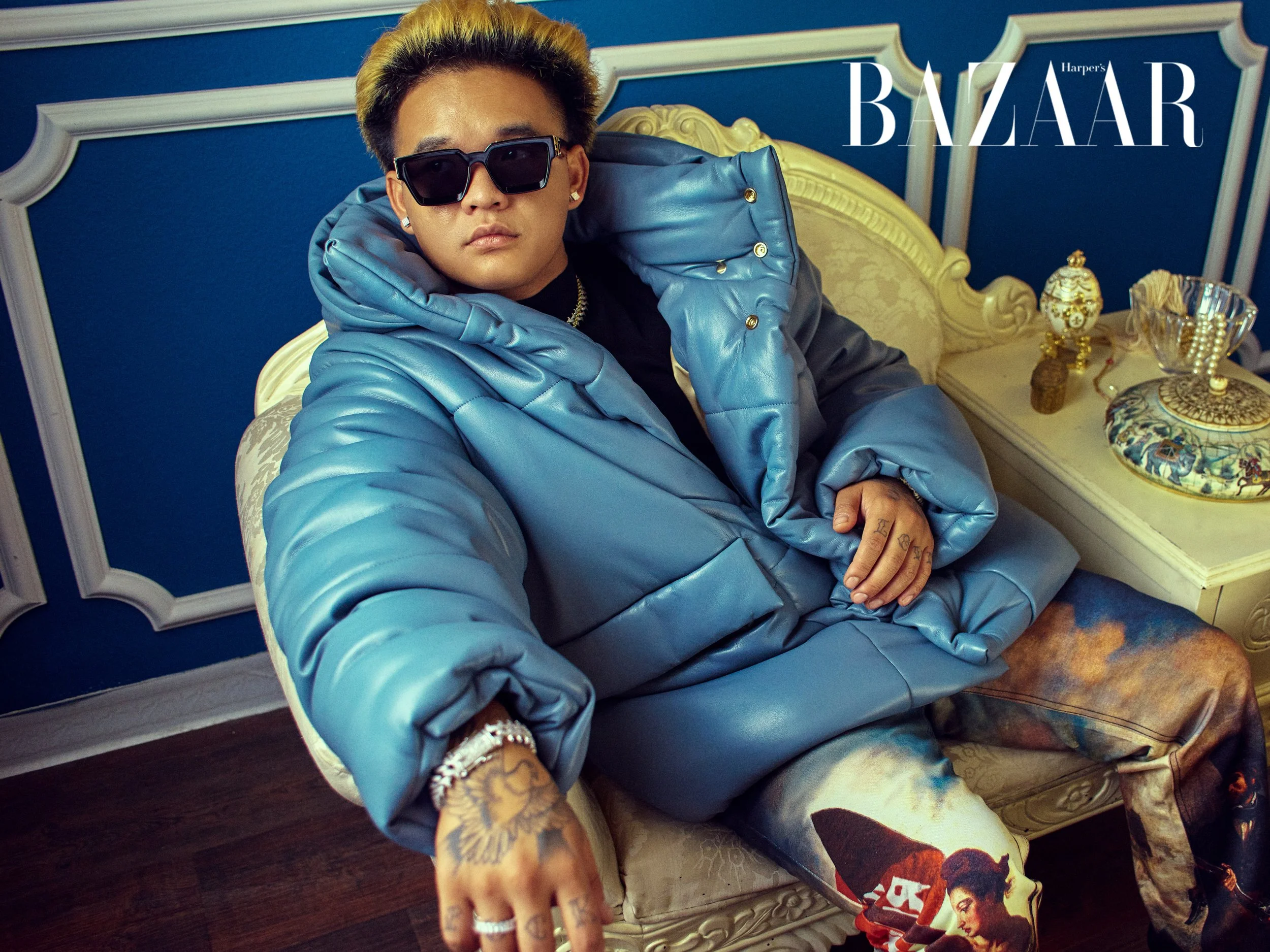
In my STAR2 editorial for Harper’s Bazaar Vietnam, fashion styling was used to support the artist’s identity across a connected publication story. Wider compositions established environment and silhouette, while tighter portraits brought the emphasis back to expression and character.
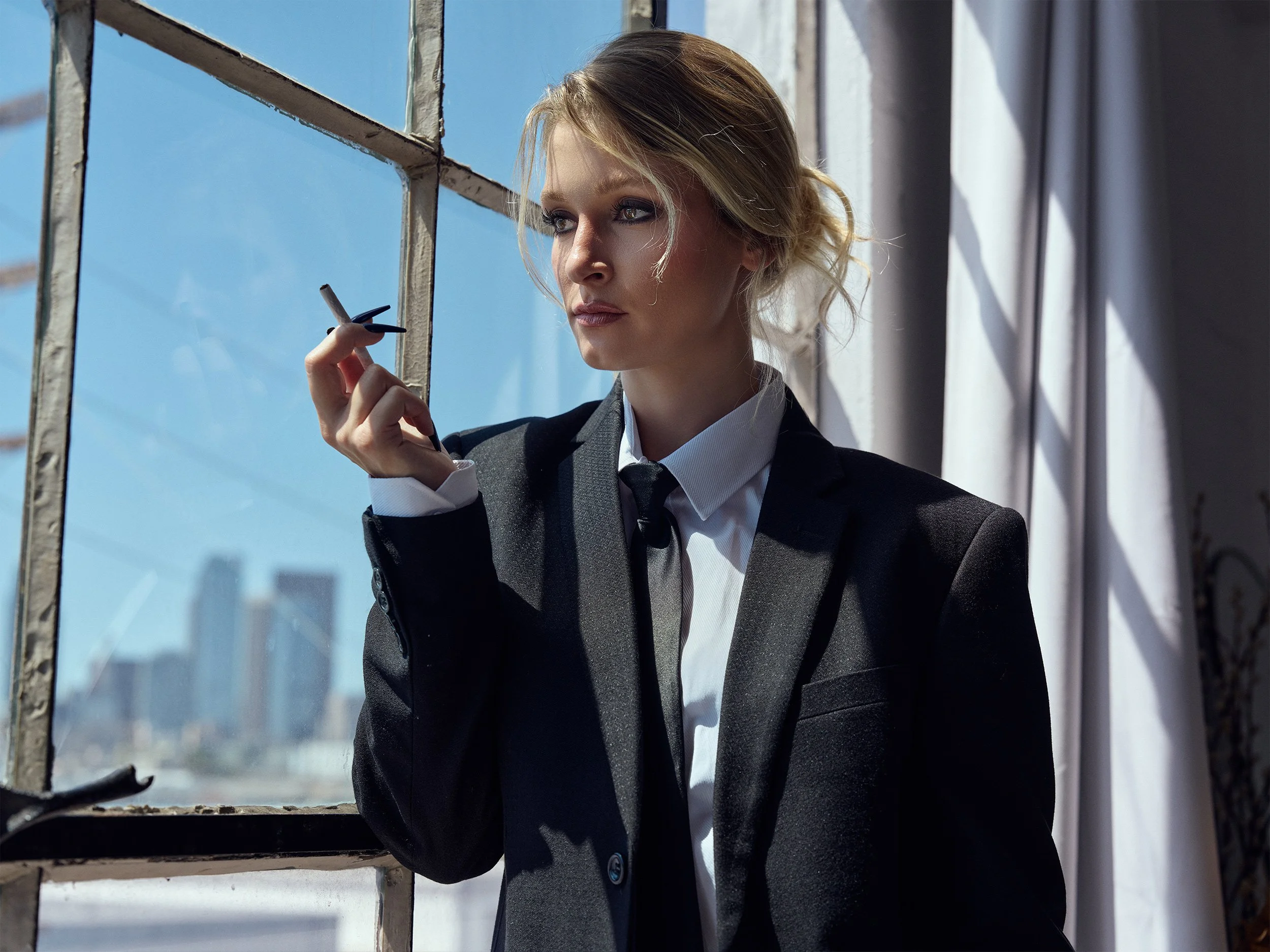
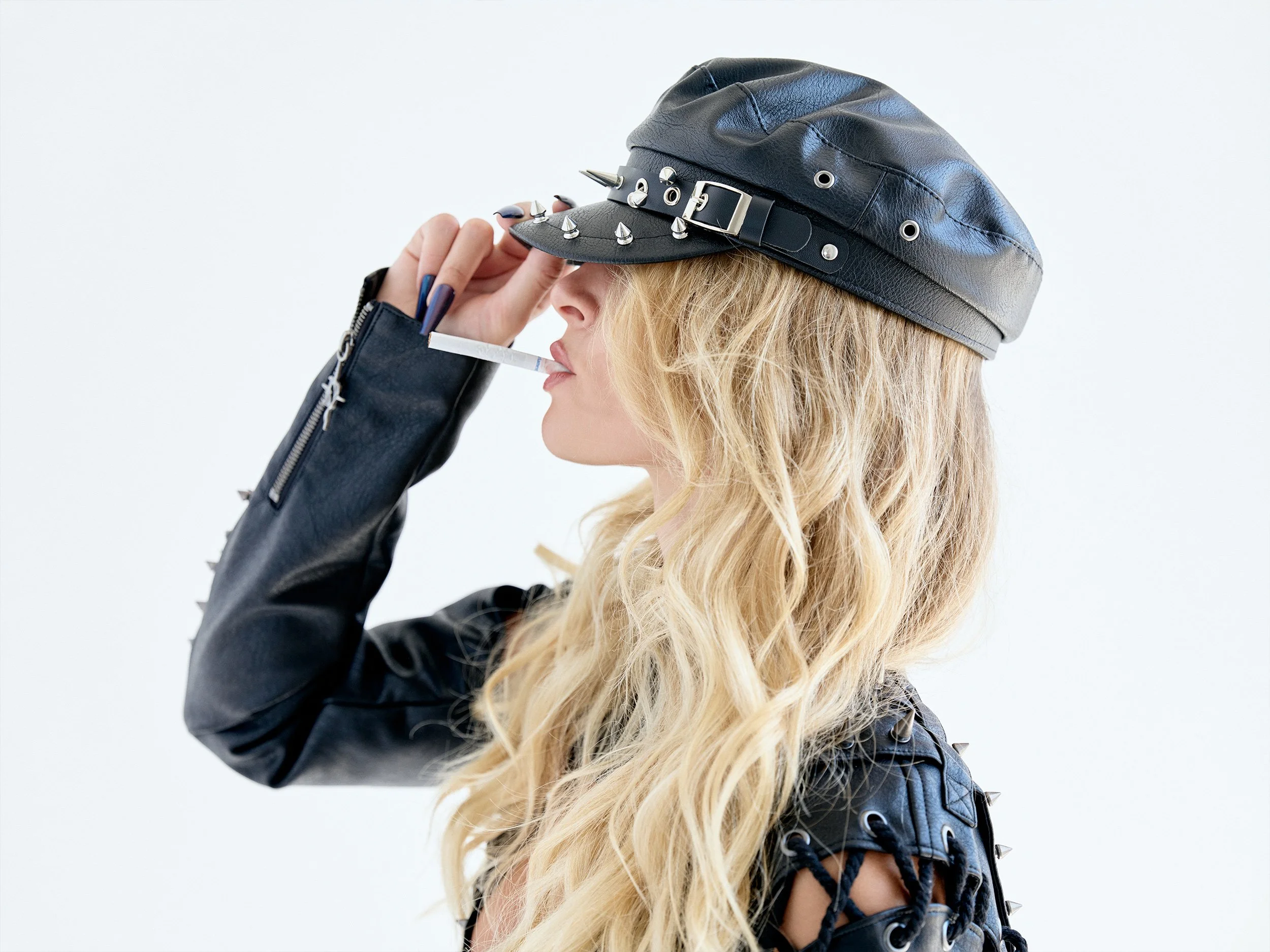
The Last Rock ’n’ Roll Girl approaches editorial range differently. Two contrasting wardrobes—minimal white separates and studded black leather—develop one consistent character through changes in styling, movement and framing.
In both cases, the editorial succeeds only if the complete sequence feels intentional.
Fashion Campaign Photography
A fashion campaign introduces or reinforces an idea around a brand, collection, product or season. Unlike an editorial, its primary responsibility is normally promotional.
The campaign may appear across:
Advertising
Brand websites
Collection launch pages
Social media
Email marketing
Retail displays
Press materials
Catalogs
Digital advertising
Outdoor media
Seasonal presentations
A campaign therefore needs more than one beautiful photograph. It needs an image system.
The hero image may carry the central visual idea, but supporting photographs must give the client enough flexibility to communicate across different platforms. A wide composition with negative space might support typography. A vertical frame may be needed for social advertising. A closer portrait can work for press, while full-length photographs show the complete styling.
Planning those requirements before production protects the creative idea. It prevents the photographer and client from discovering after the shoot that the strongest image cannot accommodate a headline, survive a vertical crop or clearly display the product being advertised.
Campaign photography is most effective when the brand remains recognizable even as the compositions change. Color, casting, location, styling, lighting and post-production should feel connected without forcing every frame into the same structure.
The HoodTrophy Bino and Keykinya artist campaign combined fashion-led direction with promotional portraiture. The photographs were created to work across release artwork, press materials and digital promotion while maintaining a consistent identity around the artists.
That same principle applies to apparel, beauty, accessories and lifestyle campaigns: the finished photographs must have character, but they must also perform specific jobs.

Lookbook Photography
A lookbook presents a collection as a connected body of work. It sits between the clarity of e-commerce and the atmosphere of a campaign.
The primary purpose is to show how garments and accessories belong together across a season or collection. A lookbook may be created for consumers, retail buyers, press, sales presentations, wholesale appointments or a designer’s website.
Strong lookbook photography generally prioritizes:
Consistent lighting
Accurate color
Visible silhouette and fit
Clear styling
Repeatable camera position
Logical garment order
Variation without visual disruption
Cohesion across the complete collection
A lookbook can be highly creative, but its visual treatment should not prevent the viewer from understanding the clothes. If lighting obscures construction, poses distort every silhouette or the location overwhelms the collection, the photography may no longer be serving its purpose.
The degree of consistency depends on the brand. A minimal designer may need restrained studio images with precise shape and color. A streetwear label may benefit from movement, environmental texture and a stronger relationship to location. A resort collection may need sunlight, atmosphere and lifestyle context.
The correct approach comes from the collection and its intended audience—not from applying the photographer’s preferred treatment indiscriminately.
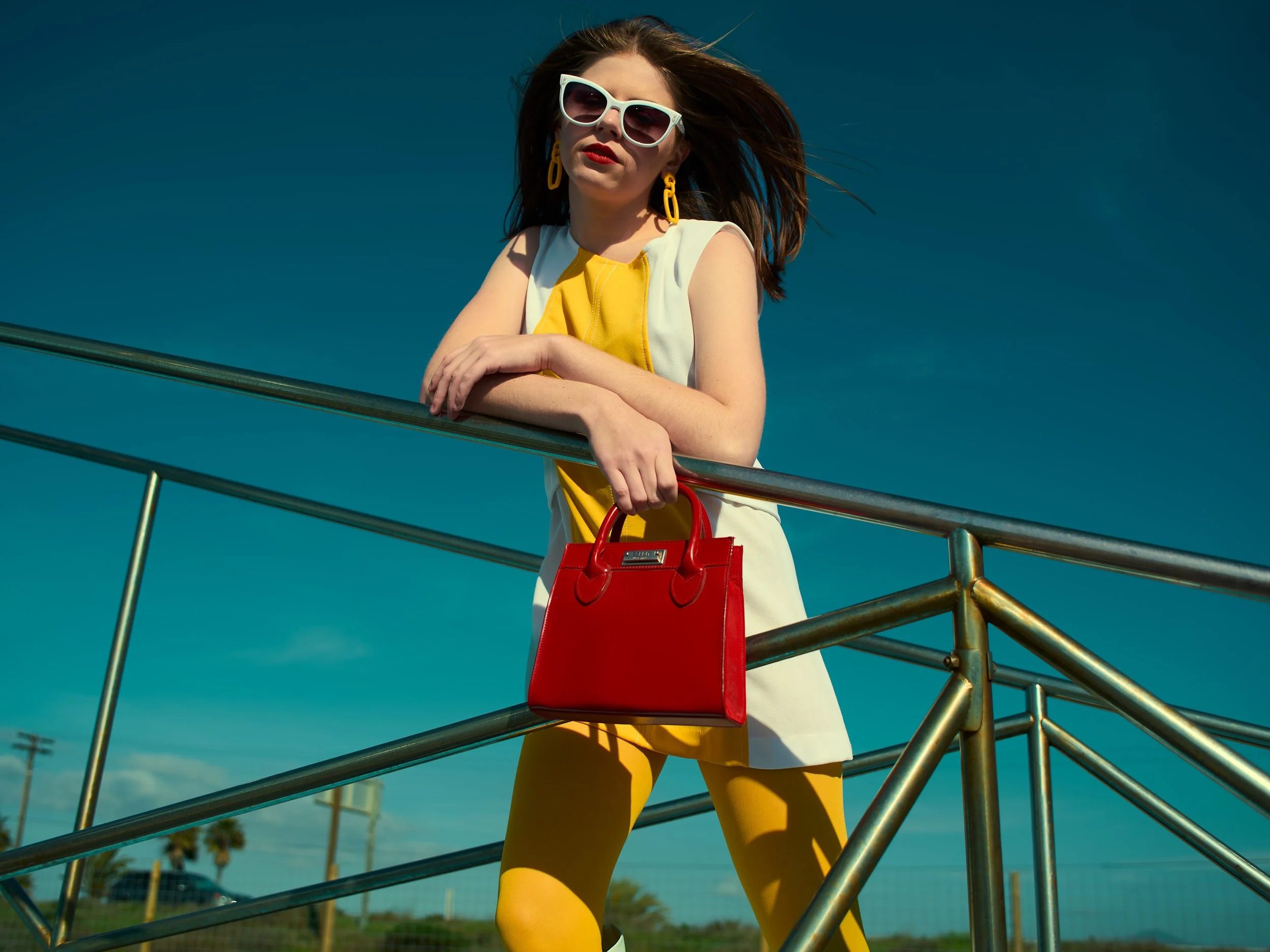
Fashion E-Commerce Photography
Fashion e-commerce photography has the clearest product responsibility. Its purpose is to help a customer understand what is being sold and make a confident purchasing decision.
The photography may include:
Front, side and back views
Three-quarter views
Garment details
Fabric texture
Accessories
On-model styling
Consistent product crops
Alternate colors
Movement or short video
Close views of construction and finishing
Consistency is essential. Camera height, focal length, lighting, background, model position and crop need to remain controlled across numerous garments. When those variables shift unnecessarily, a product page can feel disorganized and comparison becomes more difficult.
Accuracy also matters. Fashion e-commerce imagery should represent color, proportion, fabric and fit honestly. Retouching can remove temporary distractions, correct background inconsistencies and create a clean presentation, but it should not alter the essential nature of the product.
E-commerce does not need to look generic. A strong production can preserve the brand’s visual identity while maintaining the clarity necessary for online retail.
Many brands combine e-commerce and campaign photography within one production. Controlled product images are photographed first, followed by more expressive lookbook, lifestyle or campaign frames using the same talent, wardrobe and production resources. When the schedule is designed properly, that approach can create a larger and more useful image library without making the different formats visually indistinguishable.
Beauty, Accessories and Product-Led Fashion Imagery
Fashion photography frequently overlaps with beauty and product photography.
A cosmetics campaign may depend on skin, makeup, texture and accurate product color. Jewelry photography requires control of reflections, fine detail and the relationship between the accessory and the model. Eyewear, footwear and handbags need compositions that preserve the product’s shape while placing it inside a larger fashion identity.
The balance changes according to what is being sold.
When the product is a handbag, the viewer should not need to search the frame to find it. When the assignment is for a beauty brand, an expressive pose cannot compensate for unclear skin, makeup or product detail. When footwear is central, full-length styling may establish attitude, but closer views are still required to communicate construction and design.
Product integration should feel intentional rather than added after the concept has already been developed.
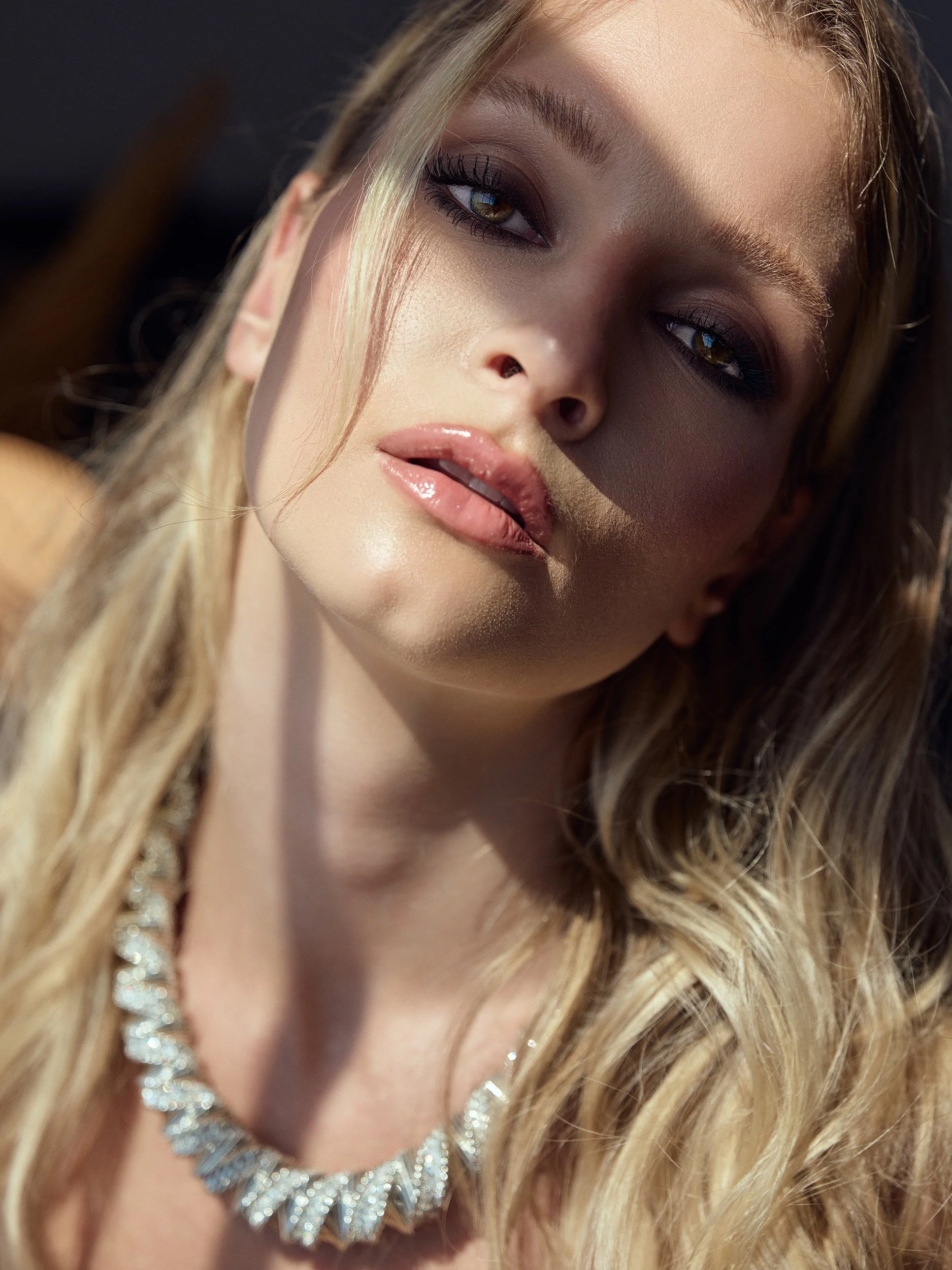
Building a Fashion Photography Production
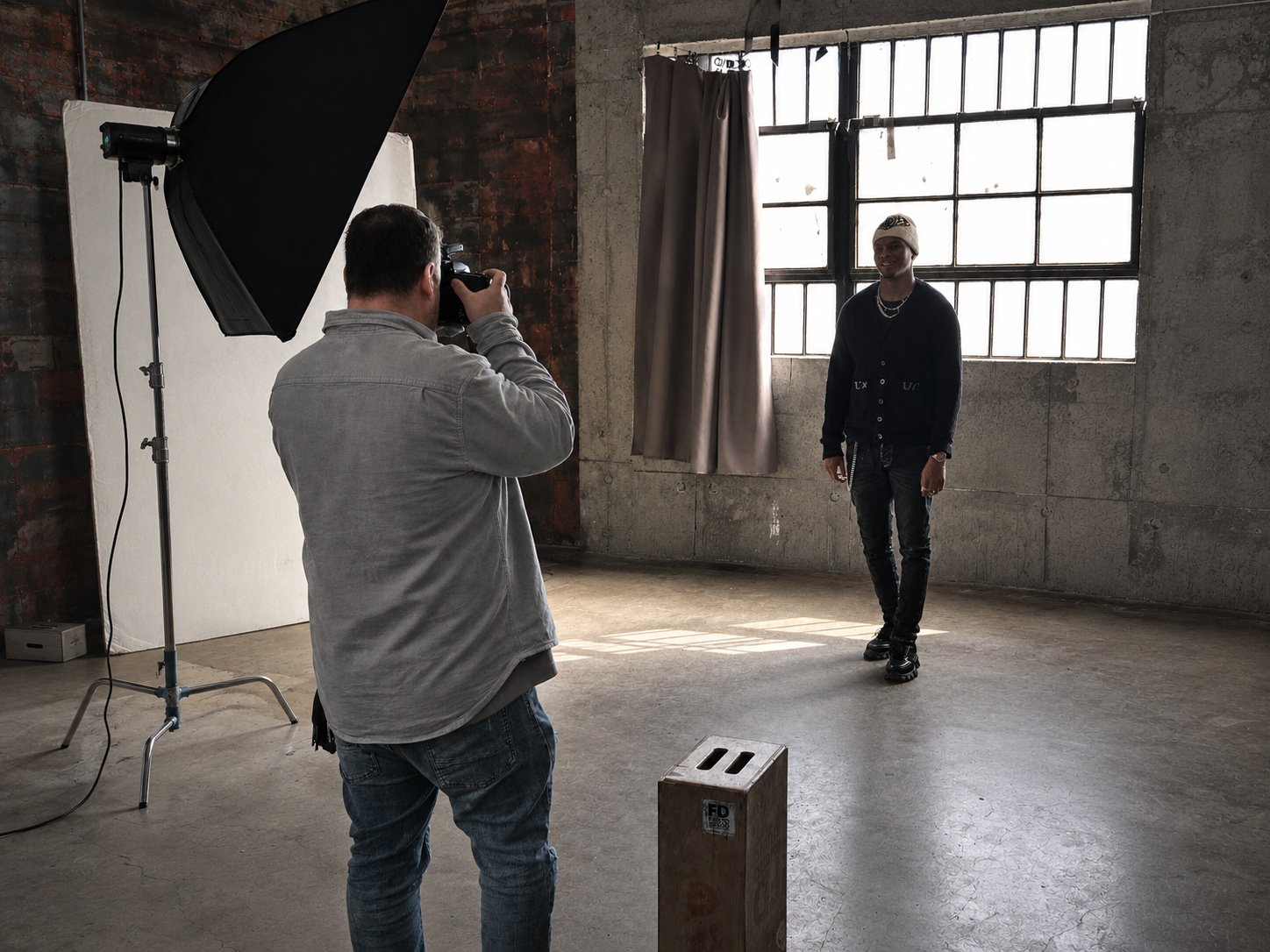
A successful fashion shoot begins before the camera is raised. The visible photograph is the result of numerous connected decisions.
The Creative Brief
The brief establishes what the work must accomplish.
It should identify the product or collection, intended audience, visual direction, required deliverables, production date, locations, media usage and approval process. A detailed brief does not eliminate creative freedom. It creates a structure within which creative decisions can remain relevant.
Visual Direction
Visual direction translates the brief into an image language. References may address composition, movement, casting, color, lighting, architecture, texture, styling and emotional tone.
A useful treatment explains why those elements belong to the project. A mood board containing attractive but unrelated photographs is not yet a visual direction. The references need a common logic that can guide decisions during production.
CASTING
Casting affects the meaning of the clothes and the identity of the campaign.
The decision should consider more than conventional attractiveness. Movement, expression, body awareness, proportions, personality and the ability to respond to direction all influence the final work. The model must be able to inhabit the visual concept without disappearing beneath it.
For a commercial production, casting must also align with the brand’s actual customer, positioning and market.
Styling, Hair and Makeup
Wardrobe is not a finishing detail in fashion photography. It is one of the central visual materials.
The stylist considers silhouette, proportion, layering, continuity, garment preparation and how each look performs from different angles. Hair and makeup should support the same direction while remaining appropriate for the intended application.
A strong location and sophisticated lighting cannot rescue clothing that fits poorly, arrives wrinkled or has no relationship to the concept.
Location and Set
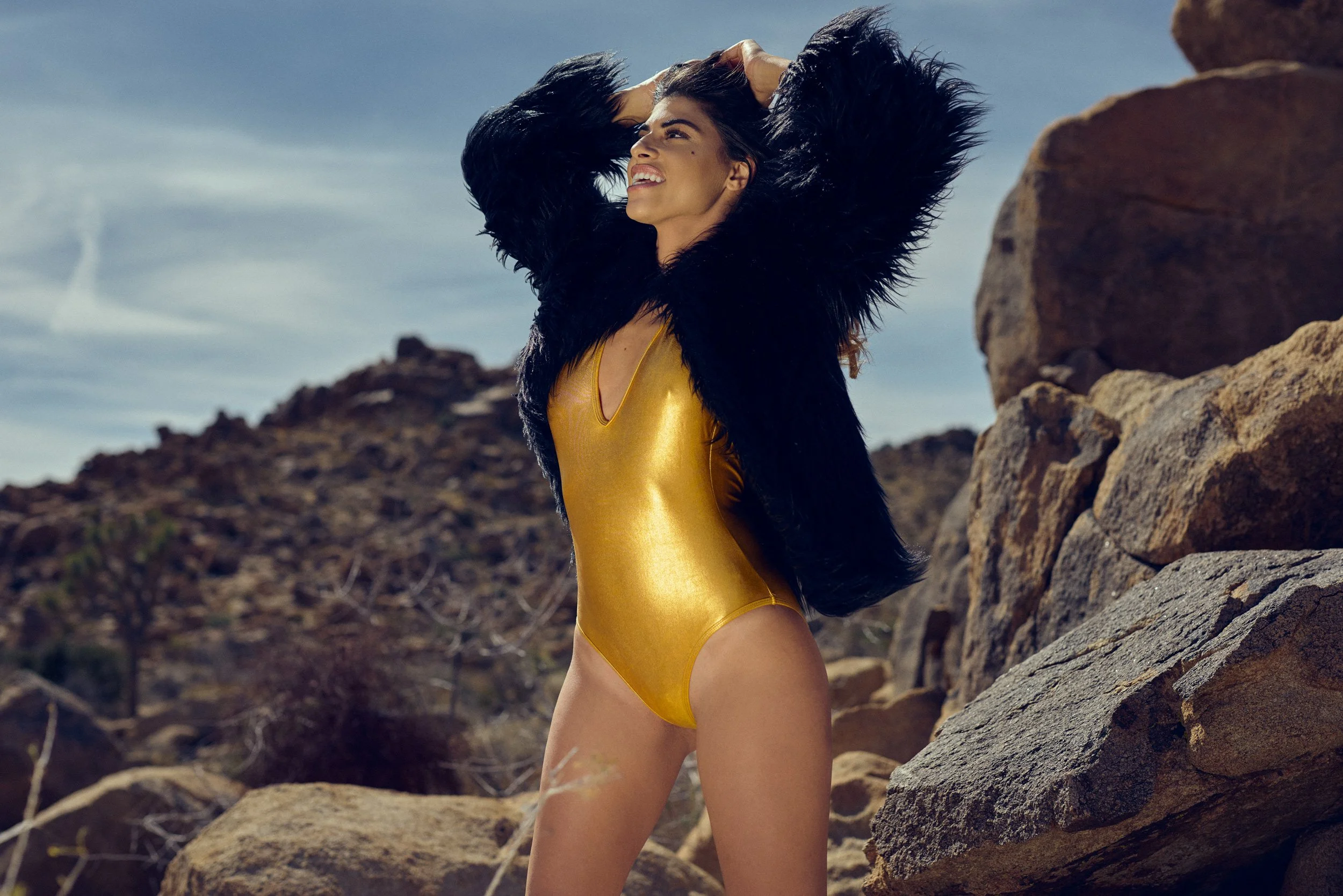
A location should contribute something the studio cannot—or provide the exact control the assignment requires.
Architecture, landscape, color, texture and available light can all become part of the visual identity. Practical considerations are equally important: access, permits, parking, power, privacy, changing space, weather, sun direction, talent holding and the movement of crew and equipment.
The most recognizable location is not automatically the most appropriate. It must support the collection rather than function as decoration.
Lighting
Lighting determines what the viewer notices and how the materials feel.
Hard daylight can emphasize structure, physicality and contrast. Broad diffused light can preserve skin and garment detail. Controlled studio lighting offers repeatability across multiple looks. Mixed light can create atmosphere but requires careful color management.
There is no single correct fashion-lighting setup. The appropriate light is the one that communicates the intended idea while preserving the information the client needs from the garment, model or product.
The Shot List
The shot list connects visual ambition with deliverables.
It may specify:
Campaign heroes
Full-length apparel images
Three-quarter compositions
Close portraits
Product details
Horizontal and vertical alternatives
Images with negative space
Required garment views
Social-media crops
Motion assets
Behind-the-scenes material
A shot list should protect essential coverage without making the production mechanical. Once the required images are secured, the photographer and subject have greater freedom to pursue less predictable frames.
Directing Models for Fashion Photography
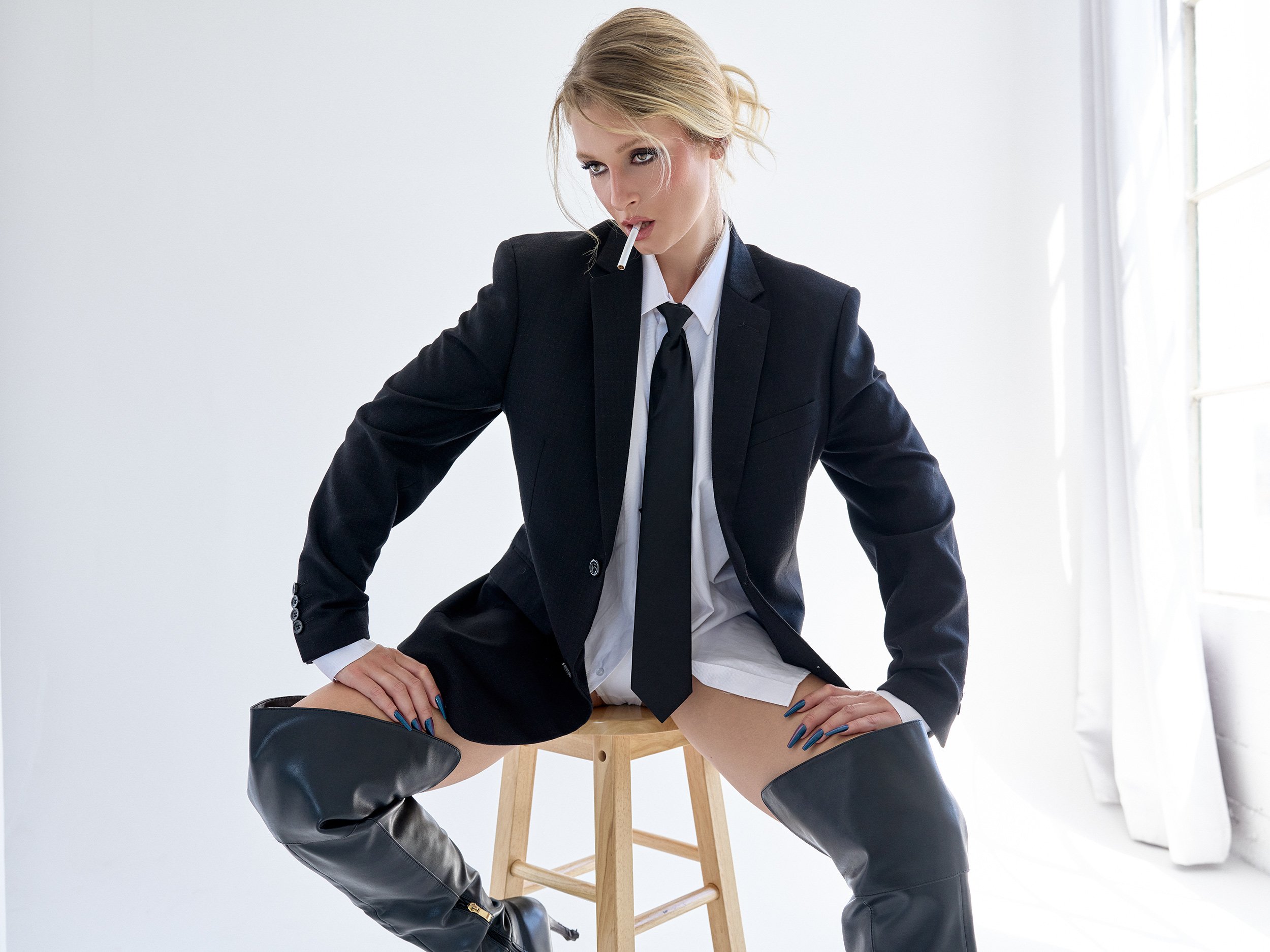
Model direction should create shape, intention and continuity without making every pose feel imposed.
The photographer needs to watch the complete frame: hands, shoulders, garment lines, facial tension, posture, balance and the relationship between the model and the environment. Small adjustments can change the emotional temperature of a photograph or clarify the clothing more effectively than a dramatic new pose.
Direction also depends on the assignment.
E-commerce requires repeatability and product clarity. Lookbooks need controlled variation across multiple looks. Editorials can support more physical or psychologically expressive performances. Campaigns may need a balance between recognizable brand attitude and compositions that accommodate advertising design.
A useful fashion sequence usually includes more than one energy level. Direct eye contact can create authority. Movement may reveal fabric and construction. Stillness can create tension. Wider poses establish silhouette, while closer frames depend on facial control and detail.
The objective is not to collect poses. It is to create a coherent performance across the finished images.
Selection, Retouching and Color
The edit determines how the production is ultimately understood.
A technically successful photograph may still weaken the final series if it repeats information already communicated more effectively elsewhere. Selection should consider the rhythm of the complete image set, not only the isolated quality of individual frames.
Retouching should support the intended use of the photographs. Typical work may include:
Skin cleanup while preserving believable texture
Garment preparation and wrinkle control
Background cleanup
Removal of temporary distractions
Color consistency
Product accuracy
Compositing where required
Preparing alternate crops and output dimensions
Fashion retouching does not need to erase every human detail. Excessive smoothing, aggressive reshaping and artificial eyes can destroy the physical presence that made the subject compelling in the first place.
Color finishing should create continuity across the series while protecting skin, wardrobe and product information. The strongest treatment is not necessarily the most visible one. It is the treatment that makes the complete campaign feel intentional.
Deliverables and Image Usage
Deliverables describe what the client receives. Licensing defines how the photographs may be used.
Those are separate considerations.
A project might deliver twenty retouched photographs, but the usage could be limited to a brand website and organic social media for one year. Another assignment may license fewer images for paid advertising, retail displays, print, outdoor media or international use.
Commercial image usage should therefore establish:
Which photographs are licensed
Permitted media
Usage duration
Geographic territory
Paid or organic placement
Exclusivity
Modification and cropping rights
Sublicensing or third-party use
Renewal terms
The American Society of Media Photographers recommends defining the work, usage, duration, territory, media, exclusivity and related rights clearly within a licensing agreement.
Discussing usage before production keeps the creative scope, deliverables, budget and legal permissions aligned. It also helps determine which crops and compositions need to be photographed.
What Makes Fashion Photography Effective?
Effective fashion photography does not depend on one lighting style, camera, location or level of production.
It depends on whether the visual decisions support the intended purpose.
A successful image should create attention without losing the product. It should feel distinctive without becoming disconnected from the brand. It should direct the model without removing personality. It should use location and styling intentionally. And when it belongs to a larger series, it should contribute something the other photographs do not.
For commercial work, the complete image library should also remain adaptable. Brands increasingly require photography to function across different orientations, platforms and campaign stages. One production may need to support a launch page, paid social advertisement, press request, email header, printed material and future brand communication.
Planning that flexibility does not make the work less creative. It makes the creativity more useful.
How to Choose a Fashion Photographer
A brand or creative team should evaluate more than whether individual photographs are attractive.
Useful questions include:
Does the photographer’s work fit the brand’s intended audience?
Can the photographer maintain consistency across a complete series?
Is clothing or product information preserved clearly?
Does the work show range in scale, orientation and composition?
Can the photographer contribute to creative direction?
Is the portfolio relevant to the assignment?
Are production, retouching, delivery and licensing addressed clearly?
Can still photography and motion be coordinated when needed?
Does the photographer understand both visual identity and commercial application?
The right fashion photographer should be able to explain not only how the photographs will look, but what they will accomplish.
Fashion Photography in Los Angeles and San Diego
Southern California supports an unusually wide range of fashion production.
Los Angeles offers established production infrastructure, studios, agencies, designers, entertainment clients and locations ranging from controlled soundstages to industrial, urban, coastal and architectural environments. Explore my approach to fashion photography in Los Angeles.
San Diego provides a different visual vocabulary through coastal light, modern architecture, desert access, activewear, swimwear, wellness, surf and lifestyle culture. Explore fashion photography in San Diego.
I create fashion photography and motion for brands, designers, publications, artists and creative teams across both markets. Productions can be developed around campaigns, editorials, apparel, lookbooks, beauty, swimwear, activewear, artist imagery and integrated stills and motion.
View selected work or start a fashion photography project.
Fashion Photography: Frequently Asked Questions
What is fashion photography?
Fashion photography is the creation of images in which clothing, accessories, beauty or styling plays a central role. The work may be produced for advertising, editorials, campaigns, lookbooks, e-commerce, publications or brand communication.
What are the main types of fashion photography?
The principal commercial formats include editorial fashion photography, campaign photography, lookbooks, e-commerce, streetwear and lifestyle fashion, beauty imagery and product-led fashion photography.
What is the difference between editorial and campaign photography?
An editorial is normally organized around a publication story, concept or creative point of view. A campaign is created to promote a brand, product, collection or season across specific media. The aesthetics may overlap, but the objectives and usage are different.
What is the difference between a lookbook and e-commerce photography?
A lookbook presents a collection as a coordinated visual body of work and may include more styling and atmosphere. E-commerce photography prioritizes consistent, accurate product presentation so customers can evaluate garments online.
Why does a fashion campaign need different image orientations?
Campaigns frequently appear across websites, advertisements, social platforms, email, print and retail environments. Horizontal, vertical and adaptable compositions allow one production to supply the different placements without relying on damaging crops.
How is commercial fashion photography priced?
Pricing depends on production requirements, crew, equipment, locations, talent, deliverables, post-production and licensed usage. Media, duration, territory and exclusivity can materially affect the licensing component of an estimate.